Best Antibiotic Treatments: Medicines for Common Bacterial Infections

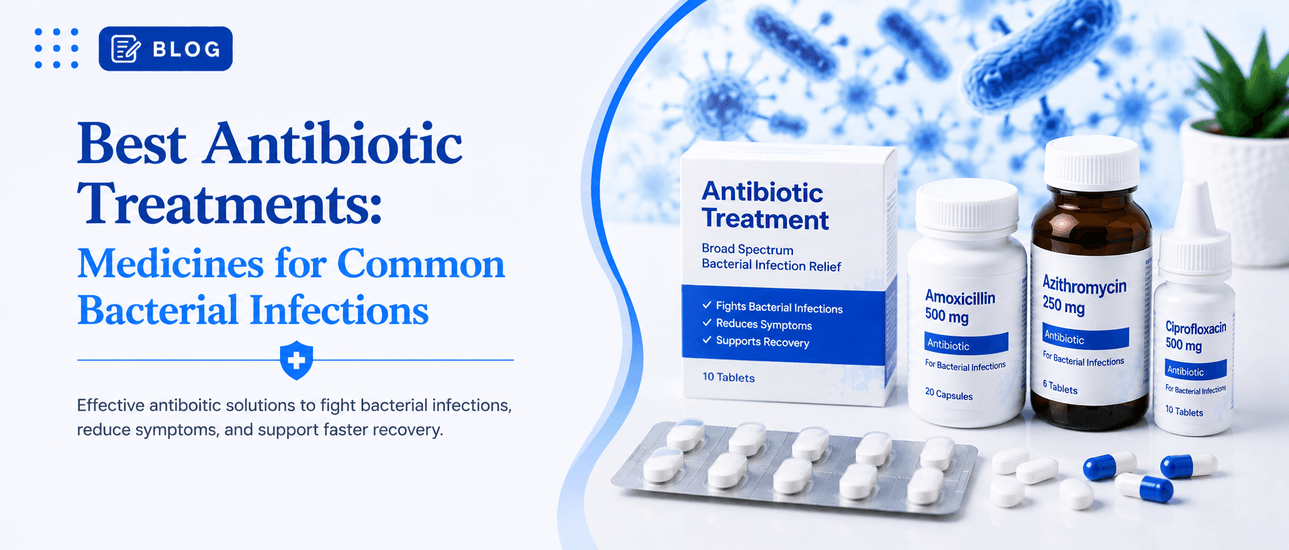
Table of Contents
Top Rated Post
Bacterial infections are common health problems that affect different body parts, such as the skin, throat, lungs, urinary system, and gastrointestinal system. Bacterial infections occur in the body when harmful bacteria invade the body and start growing in large numbers.
Fortunately, modern medicine has introduced effective antibiotic medicines to treat bacterial infections and prevent them from spreading further. The antibiotic medicines have contributed significantly to the development of health care and saved millions of lives from bacterial infections.
In this guide, we will learn more about bacterial infections, symptoms, and causes, along with effective antibiotic medicines for treatment.
What Are Bacterial Infections?
Bacterial infections are health problems that occur in the body when harmful bacteria invade the body and start growing in large numbers. There are a number of harmless bacteria in our body, which are actually beneficial for health. Bacterial infections occur in the body when harmful bacteria invade the body and start growing in large numbers.
Some of the common bacterial infections are:
- Strep throat
- Urinary tract infections
- Skin infections
- Pneumonia
- Ear infections
- Bacterial gastroenteritis
These infections are generally mild to severe and require antibiotic treatment to cure bacterial infections in the body.
Causes of Bacterial Infections
Bacterial infections can develop when bacteria enter the body through various pathways.
Common causes include:
- Contaminated food or water
- Poor hygiene
- Cuts or wounds on the skin
- Close contact with infected individuals
- Weakened immune system
- Exposure to contaminated surfaces
Maintaining proper hygiene and avoiding contaminated sources can help reduce the risk of bacterial infections.
Symptoms of Bacterial Infections
Symptoms vary depending on the type of infection and the part of the body affected.
Common symptoms include:
- Fever
- Fatigue
- Swelling or redness
- Pain or inflammation
- Cough or sore throat
- Diarrhea or stomach discomfort
- Burning sensation during urination
If symptoms persist or worsen, medical evaluation is recommended.
Best Antibiotic Medicines for Treatment
Antibiotics are those medicine types specifically designed to destroy bacteria or stop their development. The doctor will prescribe the best antibiotic medicine according to the type of bacteria causing the infection.
1. Penicillin Antibiotics
Penicillin antibiotic medicine is one of the oldest and most commonly used antibiotic medicine.
Benefits:
- Most effective against common types of bacteria
- Used to treat throat, skin, and respiratory infections
- Generally well tolerated antibiotic medicine
2. Cephalosporin Antibiotics
Cephalosporin antibiotic medicine is effective in treating various types of infections.
Benefits:
- Most effective in treating respiratory infections
- Used to treat urinary tract infections
- Helps in treating skin infections too
- This medicine is usually prescribed when other antibiotic medicine is not effective.
3. Macrolide Antibiotics
Macrolide antibiotic medicine is commonly prescribed to treat respiratory infections and bacterial diseases.
Benefits:
- Helps those suffering from allergies to Penicillin antibiotic medicine too
- Most effective in treating respiratory infections
- Helps in treating sexually transmitted infections too
4. Fluoroquinolone Antibiotics
Fluoroquinolone antibiotic medicine is powerful and is usually prescribed to treat severe infections.
Benefits:
- Helps in treating severe infections too
- Most effective in treating urinary tract infections and pneumonia
- Most effective antibacterial medicine too
- This medicine is usually prescribed by medical professional.
Importance of Using Antibiotics Properly
Antibiotics should always be used responsibly to ensure effectiveness and prevent antibiotic resistance.
Some of the important guidelines are:
- Take antibiotics exactly as prescribed
- Complete the full treatment
- Do not miss any dose
- Do not use antibiotics to treat viruses
- Misuse of antibiotics can cause antibiotic resistance, which can make it difficult to treat infections in the future.
Tips to Prevent Bacterial Infections
Preventing infections can reduce the risk of acquiring bacterial infections.
Maintain Good Hygiene
Washing your hands regularly is one of the best ways to prevent infections.
Practice Safe Food Handling
Proper handling and preparation of foods can prevent infections.
Keep Wounds Clean
Proper handling of wounds can prevent infections.
Strengthen the Immune System
Maintaining healthy lifestyles can help fight infections more effectively.
Some of the healthy lifestyles are:
- Eat healthy foods
- Exercise regularly
- Take enough sleep
- Reduce stress levels
If there is fever, pain, and swelling, it is recommended to see a doctor.
When to See a Doctor
If there is fever, pain, and swelling, it is recommended to see a doctor.
Some of the symptoms are:
- Fever persists
- Fever is worsening
- Fever is spreading
- Fever does not improve with treatment
Seeing a doctor can help diagnose the infection and choose the best antibiotic.
Conclusion
Bacterial infections can affect many different parts of the body, leading to many different health issues. However, antibiotics are still one of the most effective treatments for getting rid of bad bacteria and regaining health.
Antibiotics such as penicillin, cephalosporins, macrolides, and fluoroquinolones are some of the medicines available for treating different types of bacterial infections and avoiding further health issues.
Antibiotics can be effectively used for treating and preventing bacterial infections by following healthy habits.
FAQs
1. What are antibiotics for?
Antibiotics are for treating infections caused by bacteria. They can stop the growth of bacteria.
2. Do antibiotics help for viral infections?
Antibiotics do not help for viral infections like the common cold or flu.
3. How long does it take for antibiotics to work?
Antibiotics can take 24 to 48 hours to show some improvement.
4. Do antibiotics have side effects?
Yes, some antibiotics can cause side effects like nausea, diarrhea, or allergic reactions.
5. Why is it important to take the full course of antibiotics?
Taking the full course of antibiotics helps to get rid of all the bacteria and avoid antibiotic resistance.
Reference
How useful was this post?
Click on a star to rate it!
Average rating 4.8 / 5. Vote count: 98
No votes so far! Be the first to rate this post.
Leave a Reply Cancel reply



 Acne
 Allergy