Anti-Rejection Drugs — Supporting Transplant Success & Health
Welcome to the Anti-Rejection Drugs section at Strapcart. If you’ve had an organ or tissue transplant, you know how important it is to keep your body from rejecting that new piece of you. The immune system’s job is to protect you, but after a transplant, it can get a little overzealous and see your new organ as an invader. That’s where anti-rejection meds—immunosuppressants—step in. They help calm your immune system, protect the transplant, and keep you feeling your best for the long haul.
These drugs aren’t just another pill in your routine—they’re essential. Taking them correctly keeps rejection episodes at bay and boosts your chances of long-term transplant success. At Strapcart, we offer trusted options that meet clinical standards and focus on your comfort, too.
What Are Anti-Rejection Drugs?
Anti-rejection drugs are designed to dial down your immune system just enough so it doesn’t attack your new organ or tissue. They strike a balance, helping you:
- Keep your transplanted organ healthy
- Lower the risk of rejection
- Support your overall recovery and wellness
You’ll hear about a few main types:
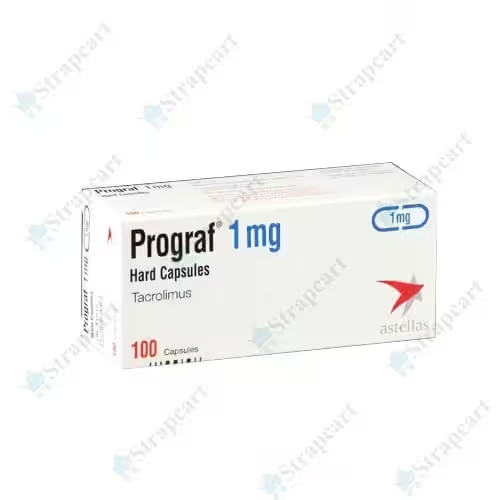
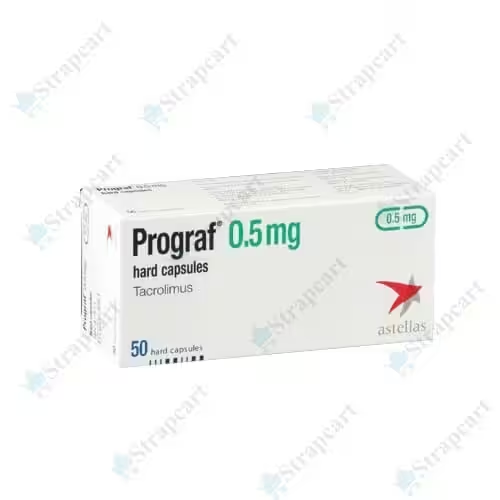
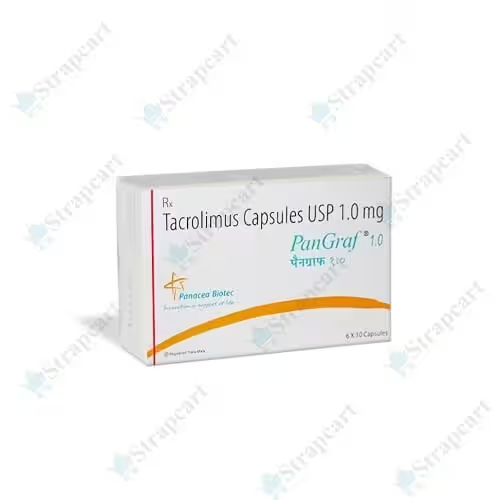
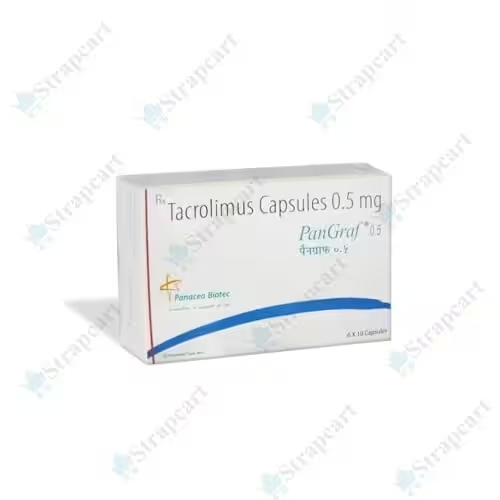
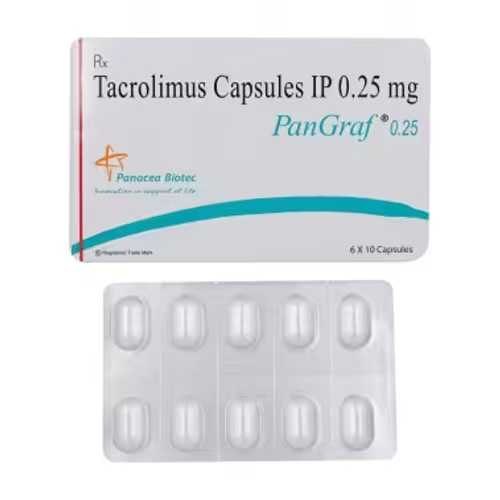
- Calcineurin inhibitors (like tacrolimus or cyclosporine)
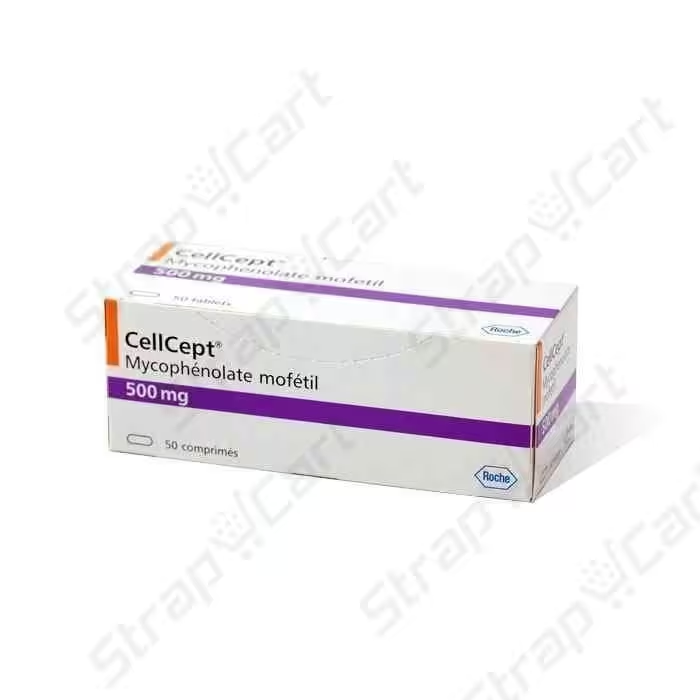
- Antiproliferative agents (such as mycophenolate mofetil)
- mTOR inhibitors
- Corticosteroids
Each one works a bit differently, but they all aim for the same thing—keeping your immune response under control and your transplant working well.
How Does Anti-Rejection Therapy Work?
After your transplant, your immune system wants to do its job and defend you—even if that means going after your new organ. Anti-rejection meds step in to quiet down those immune cells, cool off inflammation, and keep your body’s defense system from overreacting. This careful balancing act helps your transplant keep working, while lowering the chances of both sudden and long-term rejection.
Personalized Treatment & Monitoring
There’s no one-size-fits-all plan here. Your treatment gets tailored to you—depending on the type of organ you received, how long it’s been since your transplant, your health history, and what your latest lab results look like. Doctors keep a close eye on your blood levels to make sure you’re getting just the right amount, without tipping the scales too far and leaving you unprotected. The goal? Protect your new organ and keep side effects in check.
Daily Support & Wellness During Treatment
It’s not just about the medication. After a transplant, you might need some backup—things like vitamins, electrolyte products, or skin and digestive comfort aids. These aren’t replacements for your main meds, but they can make daily life a bit smoother, as long as your healthcare team is in the loop.
Why Buy Anti-Rejection Drugs from Strapcart?
We only stock options that meet clinical standards and pass the trust test. Our descriptions are clear, so you know exactly what you’re getting. We focus on supporting your post-transplant care—making things safe, comfortable, and easy to stick with. Plus, you can compare products online and shop confidently from home.
A successful transplant is a lifelong journey. The right anti-rejection therapy protects your new start and keeps you moving forward.
FAQs
1. What are anti-rejection drugs for?
They help stop your immune system from attacking your new organ after a transplant.
2. Do I need a prescription?
Yes—you need a doctor’s prescription and ongoing medical monitoring for these medications.
3. Are there side effects?
Yes. Since these meds lower your immune defenses, you’re more likely to get infections, and you might notice changes like higher blood pressure or kidney function. Regular check-ups help manage this.
4. How long do I take them?
Most people stay on anti-rejection medications long-term, often for life, with regular check-ins to keep things on track.
5. Can I change my dose on my own?
No—never adjust your dose without talking to your transplant team. They make changes based on your lab results and health checks.

 Acne
Acne Allergy
 HIV & Herps