Lasix Tablets: Safety Tips, Precautions, and What Patients Should Know

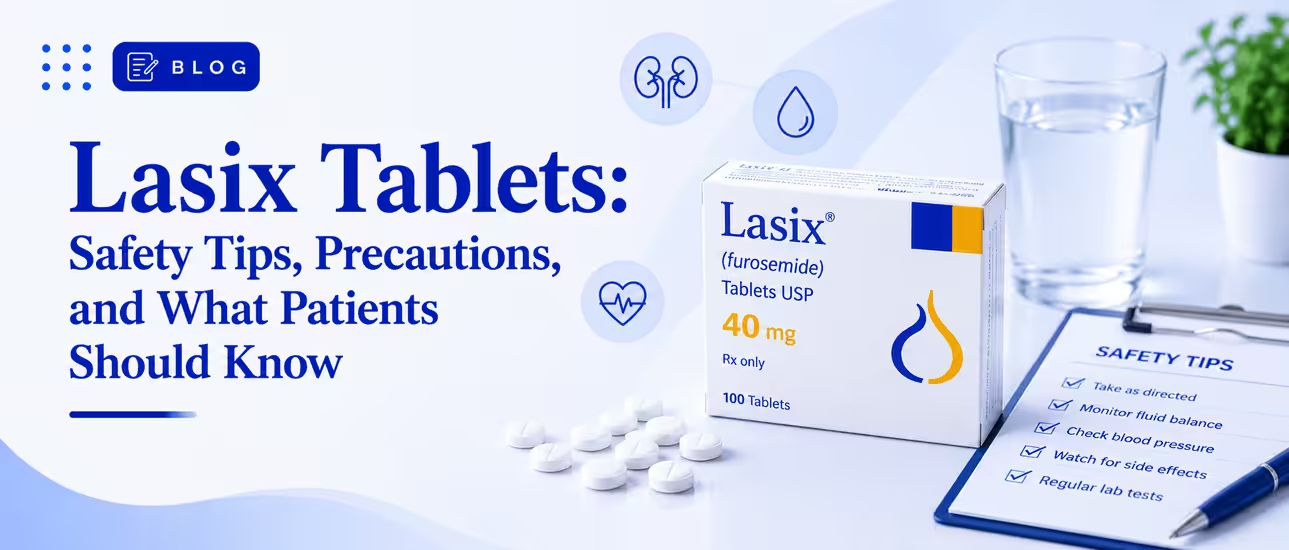
Table of Contents
Top Rated Post
“Swelling, breathlessness, or high blood pressure can make daily life uncomfortable—but the right treatment can bring quick relief.”
That’s where lasix comes in. This commonly prescribed medication helps remove excess fluid from your body, improving comfort and supporting heart health. But to get the best results, it’s important to understand how to use it safely.
In this guide, we’ll explain everything you need to know about this medication—in simple, easy language.
What Is Lasix?
Lasix is a prescription medicine used to treat fluid buildup in the body.
This medicine Generic Name:
The lasix generic name is Furosemide.
It belongs to a group of medicines called diuretics, also known as “water pills.”
Lasix Uses
Its uses mainly focus on removing excess fluid and managing related conditions.
Common Uses:
- Fluid retention (edema)
- Heart failure
- High blood pressure
It helps reduce symptoms like:
- Swelling in legs and ankles
- Shortness of breath
- Fluid buildup in the lungs
How Does Lasix Work?
If you’re wondering how this medication works, here’s a simple explanation:
This medication works in the kidneys by blocking the reabsorption of salt.
What happens:
- More salt passes into the urine
- Water follows the salt
- Excess fluid is removed from the body
This reduces swelling and helps the heart function more efficiently.
Does Lasix Lower Blood Pressure?
Yes—does lasix lower blood pressure
This medication helps lower blood pressure by:
- Reducing fluid volume in blood vessels
- Decreasing pressure on the heart
It is often used along with other medications for better blood pressure control.
Safety Tips for Using Lasix
To use this medication safely, follow these important tips:
- Take it exactly as prescribed
- Drink fluids as advised by your doctor
- Check your blood pressure regularly
- Take it in the morning to avoid nighttime urination
Additional Tips:
- Get regular blood tests to monitor electrolytes
- Avoid sudden standing to prevent dizziness
- Stick to your prescribed dose
Important Precautions
Before taking this medication, inform your doctor if you have:
- Kidney or liver problems
- Diabetes
- Gout
- Pregnancy or breastfeeding
Also, tell your doctor about any other medications you are taking to avoid interactions.
Who Should Be Careful?
This medication should be used with caution in:
- Older adults
- People with low blood pressure
- Patients with electrolyte imbalance
Medical supervision is essential in these cases.
Lasix Side Effects
Like all medicines, side effects can occur.
Common Side Effects:
- Frequent urination
- Dizziness
- Dehydration
- Low potassium levels
Serious Side Effects:
- Severe dehydration
- Electrolyte imbalance
- Hearing problems (rare)
If you experience severe symptoms, contact your doctor immediately.
Tips to Reduce Side Effects
To minimize side effects:
- Stay hydrated (as advised)
- Eat potassium-rich foods if recommended
- Avoid alcohol
- Follow your doctor’s instructions carefully
Conclusion
This medication is a powerful and effective option for managing fluid retention and supporting heart health.
Lasix tablets can be an effective medication for managing excess fluid buildup and related health conditions when used as directed by a healthcare professional. Understanding the proper use, safety tips, precautions, and possible side effects can help patients use this medication more safely.
FAQs
1. What is Lasix?
It is a diuretic that helps remove excess fluid from the body. Its generic name is Furosemide.
2. What is Lasix used for?
It is used to treat fluid retention (edema), heart failure, and high blood pressure.
3. Does Lasix lower blood pressure?
Yes, it lowers blood pressure by reducing fluid in the blood vessels.
4. How does Lasix work?
It works by increasing urine production, helping the body eliminate extra salt and water.
5. What does this medication do?
It reduces swelling, improves breathing, and helps manage fluid-related conditions.
Reference
How useful was this post?
Click on a star to rate it!
Average rating 4.7 / 5. Vote count: 125
No votes so far! Be the first to rate this post.
Leave a Reply Cancel reply


 Acne
Acne Allergy