Understanding Anti Rejection Medicines: Treatment for Transplant Patients

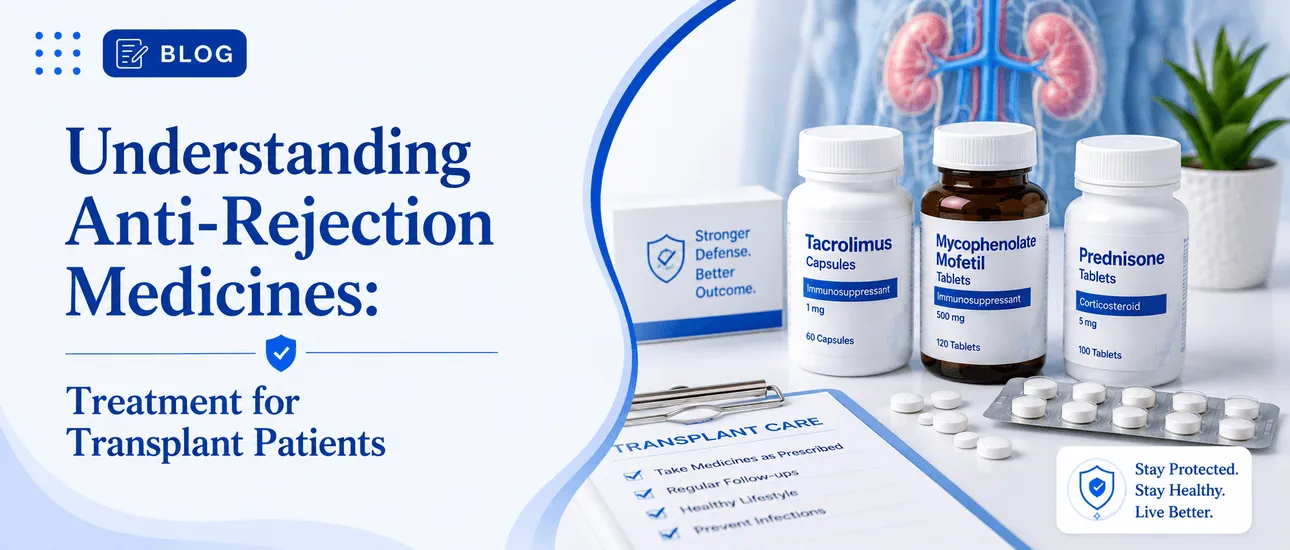
Table of Contents
Top Rated Post
Organ transplantation saves lives by giving people with serious organ failure another chance to live. A transplant might involve a kidney, liver, heart, lung, or pancreas. Sometimes, the body sees the transplanted organ as an outsider and starts attacking it. This reaction is called organ rejection.
Doctors use anti rejection medicines to stop this. These are also known as immunosuppressant drugs. They help keep the immune system from attacking the new organ.
This guide will cover how these medicines work, the types available, and ways transplant patients can take care of their health after surgery.
What Are Anti Rejection Medicines?
Doctors use anti rejection medicines to lower the immune system’s strength. The immune system defends the body against germs and harmful things. After a transplant, though, it might treat the new organ like a danger.
These drugs help the body to accept the new organ and stop it from being rejected.
Transplant patients often need to take these medicines for their entire life to ensure the organ works as it should.
Why Does Organ Rejection Occur?
The immune system is built to tell apart what belongs in the body from what does not. When it detects a new organ after a transplant, it might label it as foreign and try to attack or destroy it.
Organ rejection happens in a few different ways:
Hyperacute Rejection
This takes place right after the transplant but is uncommon now because of advanced matching methods.
Acute Rejection
Acute rejection shows up a few weeks or months after the transplant and needs prompt medical care.
Chronic Rejection
Chronic rejection appears over a long period and can harm how the transplanted organ works.
Doctors use anti rejection drugs to lower the chances of all these types of rejection happening.
Common Anti Rejection Medicines
To get the best outcomes, doctors often give a mix of immunosuppressant drugs. Each drug has a unique way of managing the immune system’s activity.
1. Calcineurin Inhibitors
Doctors often give calcineurin inhibitors to transplant patients to stop the immune system from attacking the new organ.
Benefits:
- Lower the activity of the immune system
- Protect transplanted organs
- used in transplants of kidneys, livers, and hearts
These drugs play an important role in managing long term care after transplants.
2. Corticosteroids
Corticosteroids are used because they reduce inflammation and block immune responses.
Benefits:
- Lessen swelling
- Stop the body from rejecting the organ
- Manage immune system problems
Doctors use these medicines after the transplant happens.
3. Antimetabolites
Antimetabolites stop immune cells from growing, which helps protect the transplanted organ from being attacked.
Advantages:
- Decrease immune system activity
- Lower the chances of organ rejection
- Often combined with other medications to suppress the immune system
Doctors commonly prescribe antimetabolites such as Cellcept 500mg and Azoran 50mg to help prevent transplant rejection and manage autoimmune conditions.
4. mTOR Inhibitors
mTOR inhibitors prevent immune cells from increasing and attacking the transplanted organ.
Advantages:
- Sometimes serve as a substitute for other drugs
- Slow down immune cell growth
- Help improve long term success after a transplant
Why Anti Rejection Medicines Matter
Transplant patients need to take their anti rejection medicines as directed by their doctor.
Skipping doses or stopping medications without a doctor’s guidance can cause organ rejection. This might harm the transplanted organ.
Doctors often advise:
- Taking medicines at the same time daily
- Avoiding missed doses
- Going for regular check ups and blood tests
These actions help in keeping the transplanted organ working well.
Possible Side Effects of Anti Rejection Medicines
Anti rejection drugs weaken the immune system, which may lead to side effects.
Some common side effects are:
- Higher chances of infection
- Raised blood pressure
- Gaining weight
- Elevated blood sugar
- Problems with kidney or liver function
Doctors track patients and adjust doses when needed to reduce these side effects.
Lifestyle Tips for Transplant Patients
Living with a transplanted organ means you need regular care and healthy habits.
Keep Yourself Clean
A weaker immune system makes it important to stay clean to prevent infections.
Eat Healthy Foods
Balanced meals with fruits, vegetables lean protein, and whole grains help keep the body strong.
Go to Checkups Often
Regular doctor visits let them check if medicines are effective and the transplanted organ is staying healthy.
Stay Away from Infections
Avoid people who are sick and follow your doctor’s guidelines on vaccines.
When to Call Your Doctor
Reach out to your doctor if you notice any concerning symptoms.
- Fever or signs of an infection
- Swelling or unexpected weight gain
- Pain around the transplanted organ
- Changes in urine output or trouble breathing
- Feeling tired or weak
These could be warning signs of complications or even organ rejection.
Conclusion
Anti rejection drugs are crucial to make organ transplants successful. These drugs lower the immune system’s activity, stop the body from rejecting the new organ, and keep the transplanted organ functioning.
Medicines like calcineurin inhibitors, corticosteroids, antimetabolites, and mTOR inhibitors have a key role in managing transplant patients.
Taking medicines as directed living, and going to regular doctor visits can help transplant patients boost long term health and live a better life.
FAQs
1. Why are anti rejection medications given?
Doctors give anti rejection medications to stop the immune system from harming a transplanted organ.
2. Will transplant patients take these medicines their entire life?
Doctors require transplant patients to stay on anti rejection medications throughout their life to keep the transplanted organ safe.
3. What are the effects of missing anti rejection medications?
Skipping doses can raise the chance of organ rejection and might harm the transplanted organ.
4. Do anti rejection drugs make the immune system weaker?
Yes, they weaken the immune system. This lowers the risk of rejection but could make infections more likely.
5. How do doctors keep track of transplant patients after surgery?
Doctors use routine check ups, blood work, and tests to check organ function to keep the transplant in good condition.
Reference
How useful was this post?
Click on a star to rate it!
Average rating 4.5 / 5. Vote count: 125
No votes so far! Be the first to rate this post.
Leave a Reply Cancel reply



 Acne
 Allergy